
Walk into any office, hotel, or public building and you will immediately notice the areas that get the most use. Doorways, counters, walls near hallways, and shared fixtures all tell a story. These high-touch surfaces take on the wear of daily traffic, and if they are not cleaned properly, the entire space can start to feel neglected.
Keeping these areas clean is not just about appearance. It is about maintaining a professional environment while working efficiently behind the scenes.
Understanding Where Wear Happens Most
High-touch surfaces go far beyond the obvious. While door handles and light switches are cleaned frequently, other areas often get overlooked even though they see just as much contact.
Walls along corridors pick up scuffs from bags and equipment. Door frames collect fingerprints and grime. Elevator panels, reception counters, and restroom partitions all deal with constant use. In hotels, luggage and carts can leave marks throughout guest hallways. In offices, shared workspaces and breakrooms quickly show signs of buildup.
These surfaces need regular attention, but they also need the right approach to avoid wasting time.
Why Some Cleaning Methods Fall Short
A lot of cleaning routines rely on the same basic tools. Spray cleaners and cloths are commonly used across nearly every surface. While they can handle light dirt, they often struggle with tougher marks.
Scuffs on painted walls, streaks on doors, and residue on fixtures can require multiple passes to remove. This slows down cleaning teams and leads to inconsistent results. Some areas may look spotless while others still show visible wear.
There is also the risk of using tools that are too aggressive. Harsh scrubbing pads can damage finishes, especially on painted or coated surfaces. Over time, that kind of wear can lead to more maintenance or even replacement.
A More Efficient Way to Clean
To improve results, cleaning needs to be both effective and simple. The goal is to remove marks quickly without damaging the surface underneath.
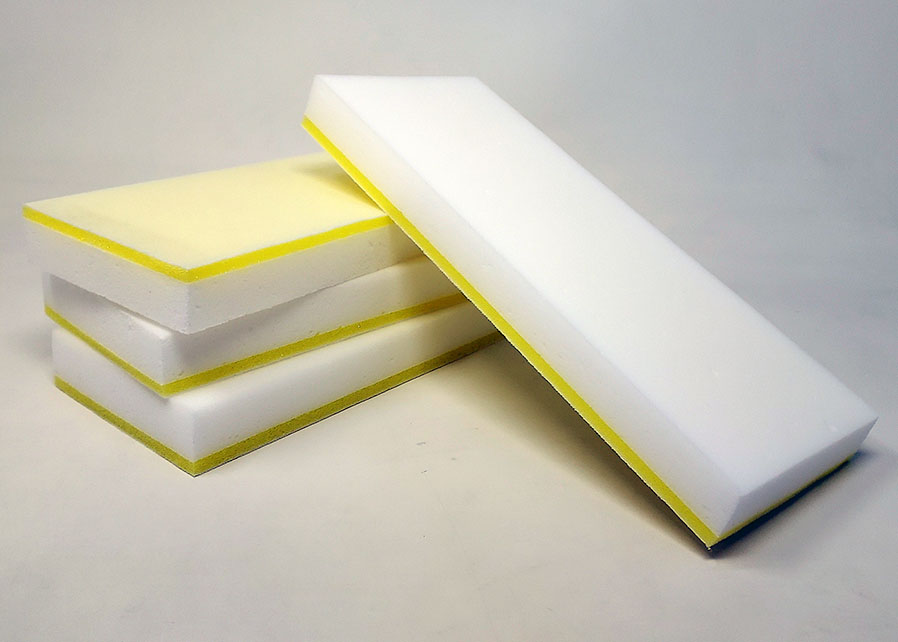
Melamine foam, like the Instant Erase sponges from Sponge Outlet, offers a more efficient solution. Instead of relying on chemicals, it works by gently lifting dirt and marks from the surface itself. This makes it especially useful for stubborn scuffs and buildup that traditional methods struggle to remove.
Because it works with minimal effort, it helps cleaning teams move faster while still delivering consistent results.
Focusing on the Areas That Matter Most
Walls and Hallways – Walls in commercial spaces take more contact than most people expect. In busy environments, even a single day can leave visible marks along high-traffic paths.
Using a melamine sponge allows crews to spot clean these areas quickly without needing to repaint or apply heavy cleaning solutions. This keeps walls looking fresh with less effort.
Doors and Entry Points – Doors and entryways are touched constantly throughout the day. Handles, push bars, and surrounding surfaces collect oils, dirt, and fingerprints.
A quick wipe with the right tool can restore a clean appearance in seconds. This is especially important in areas where first impressions matter, such as office entrances or hotel lobbies.
Restrooms and Fixtures – Restrooms require frequent cleaning, and high-touch surfaces in these spaces need to be handled efficiently. Partitions, sinks, and counters all collect buildup that can be difficult to remove with standard methods.
Melamine foam helps cut through that buildup without damaging surfaces, making it easier to maintain a clean and polished look even during busy periods.
Shared Workspaces – In office settings, desks, counters, and shared equipment see constant use. Marks from everyday activity can build up quickly, especially in common areas.
Pairing melamine foam with microfiber cloths allows cleaning teams to remove stubborn spots and then finish with a smooth, streak-free wipe.
Creating a Smarter Cleaning Routine
Improving cleaning results does not require a complete overhaul. Small adjustments can make a big difference.
Start by identifying the areas that receive the most contact. These should be prioritized in daily routines. Instead of treating all surfaces the same, match the right tool to the task.
Providing staff with high-quality materials also makes a difference. When tools are more effective, less time is spent repeating the same steps. This improves both speed and consistency.
Training is another key factor. When teams understand how to handle different surfaces properly, they can work more confidently and avoid unnecessary damage.
Saving Time and Reducing Costs
Efficiency in cleaning is not just about speed. It also impacts long-term costs. When surfaces are cleaned properly the first time, there is less need for repeat work or repairs.
Bulk purchasing options from Sponge Outlet make it easier for businesses to maintain a steady supply of professional-grade products without overspending. Lower cost per unit combined with better performance helps reduce both material and labor expenses.
Over time, these savings become significant, especially in large commercial spaces.
Making a Stronger Impression
Clean high-touch surfaces play a major role in how a space is perceived. Guests notice when walls are marked or when entryways look worn. Employees notice when shared areas feel neglected.
By focusing on the surfaces that see the most use and using tools that deliver better results, businesses can maintain a higher standard without increasing workload.
A clean environment does more than look good. It creates a sense of care and professionalism that people can feel as soon as they walk through the door. Contact Sponge Outlet at 877-776-6430 today or visit us online for more information!