Hotel Cleaning Challenges and How to Overcome Them Efficiently
Hotel housekeeping teams balance room readiness, guest requests, and cleaning standards throughout every shift. A late checkout, an unexpected spill, or an understocked cart can disrupt the schedule.
Working efficiently starts with a repeatable process: identify what each room needs, select tools suited to its surfaces, and check the finished work before releasing it to the next guest.
These practical workflows can help housekeeping supervisors organize daily tasks and choose hotel cleaning supplies around their property’s needs.
1. Managing Room Turnovers During Busy Periods
Checkout rooms, occupied-room service, and scheduled deep cleans require different amounts of work. Treating every room as an identical assignment can leave staff rushing through difficult jobs or revisiting missed details.
A practical workflow:
- Review room status, guest requests, and priorities with the front desk before assigning work.
- Inspect each room on entry and report damage, maintenance needs, or unusual cleaning conditions.
- Remove waste and used linens according to the property’s procedures.
- Follow a consistent cleaning route, working from higher surfaces downward and cleaner areas toward dirtier ones.
- Complete floors after tasks that could deposit dust or debris.
- Inspect the room and update its status before it is released.
Build required product contact times into the workflow. Where disinfection is necessary, follow the product label’s directions for precleaning, keeping surfaces wet, and any required rinsing. A tight turnaround should not shorten those steps.
2. Keeping Housekeeping Carts Ready
Missing cloths or replacement pads can turn a routine room clean into repeated trips to the supply closet. Overfilled carts create a different problem: staff cannot quickly find what they need.
Set a standard cart inventory based on the assigned workload. Include enough clean cloths and replacement tools for the shift, with an appropriate reserve.
| Cart item | Purpose | Stocking consideration |
|---|---|---|
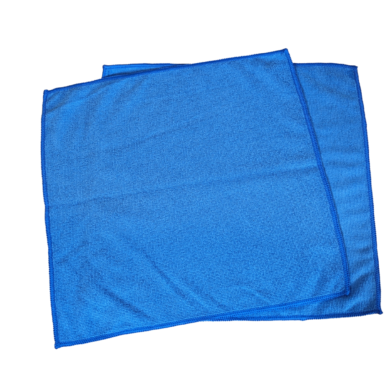
| Microfiber cleaning towels | Wiping, dusting, and drying compatible surfaces | Allow for changes between rooms and tasks |
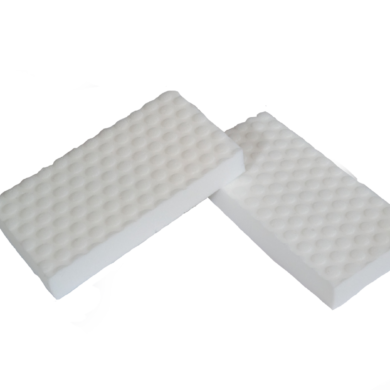
| Melamine eraser sponges | Spot cleaning on approved surfaces | Carry replacements for worn or soiled sponges |
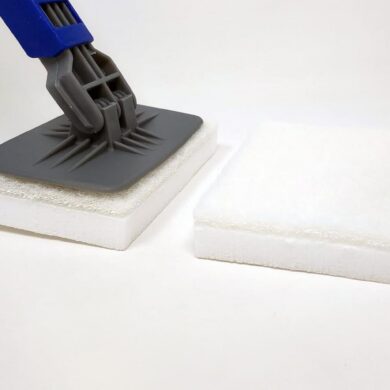
| Non-scratch cleaning pads | Scrubbing where the surface and product instructions allow | Assign tools to specific areas |
| Approved cleaning products | Property-specific cleaning and disinfection tasks | Keep labels readable and follow storage instructions |
| Separate containers or bags | Handling used cloths and other soiled items | Keep used materials apart from clean supplies |
Replenish carts at the end of the shift so the next team starts with a predictable setup.
3. Removing Scuffs Without Damaging Finishes
Suitcases, luggage carts, and everyday use can leave marks on doors, baseboards, and other room surfaces. The challenge is removing those marks without creating a dull patch or damaging the finish.
Melamine foam cleans through fine abrasion. It may be useful for targeted spot cleaning, but it should not be treated as suitable for every painted, polished, or coated surface.
Before adding a surface to the housekeeping team’s approved-use list:
- Check the surface manufacturer’s care instructions.
- Review the sponge’s directions and restrictions.
- Test an inconspicuous area with light pressure.
- Let the area dry and inspect for color transfer, dulling, or scratches.
If a mark remains, report it for review instead of applying progressively heavier pressure. Some apparent stains are damaged finishes that cleaning cannot correct.
For a more detailed selection guide, read our comparison of melamine foam and traditional scrub pads.
4. Handling Soap Scum and Mineral Deposits
Bathroom buildup is not all the same. Soap residue, mineral deposits, and damaged sealant can require different responses.
Start by identifying the surface and the likely cause. Select a compatible cleaning product and tool, then follow the recommended application and dwell time. Avoid compensating for the wrong method with more aggressive scrubbing.
A consistent bathroom sequence can include:
- Remove loose debris and inspect fixtures, grout, and sealant.
- Apply the appropriate products according to their directions.
- Clean using tools approved for each surface.
- Complete any required rinsing and drying.
- Check for remaining residue, leaks, or maintenance problems.
Use dedicated toilet-cleaning tools and keep them separate from tools used on sinks, counters, and guest-room surfaces. Report recurring moisture or suspected mold through the property’s maintenance procedures.
5. Preventing Streaks on Mirrors and Glass
A mirror may look clean from one angle but show streaks under the bathroom lighting. Dirty cloths, excess product, and missed edges can all lead to repeat work.
Use a clean cloth and a cleaner approved for the glass or coating. Follow the product directions, change cloths when they become soiled, and inspect the surface from more than one angle.
Make mirrors, glass edges, and faucet areas part of the final room check. Do not assume an abrasive eraser is appropriate for coated glass, decorative mirrors, or polished fixtures.
6. Responding to Carpet and Upholstery Spills
Soft furnishings need a different process from hard surfaces. Fabric construction, dyes, backing, and cleaning codes determine which methods are appropriate.
Remove loose material and blot liquid spills with a clean, absorbent cloth. Avoid rubbing the spill across a larger area. Check the manufacturer’s cleaning instructions before applying water or a spot treatment.
If the stain requires specialist treatment, flag it promptly so the room can be scheduled appropriately. Do not use melamine erasers as a general-purpose treatment for upholstered headboards, chairs, or sofas.
Keep a simple record of recurring stains and previous treatments to help staff avoid repeating unsuccessful methods.
7. Resolving Odors at Their Source
Fragrance can temporarily cover an odor without addressing the cause. Housekeeping teams should report persistent smells and help identify whether they originate from waste, spills, textiles, drains, or moisture.
Remove the source where it falls within routine cleaning responsibilities. Refer plumbing, ventilation, leaks, and persistent smoke or moisture problems to the appropriate team.
Use only treatments approved for the affected material. Melamine sponges are cleaning tools, not odor absorbers, and should not be presented as a solution for embedded odors.
8. Maintaining Lobbies, Elevators, and Hallways
Public areas need attention throughout the day, especially during arrivals, departures, and wet weather.
Create inspection rounds around the property’s traffic patterns. Check entrance mats, visible debris, spills, touchpoints, and marks on approved surfaces. Record issues that need maintenance or additional cleaning.
For wet floor work, follow the property’s access-control and warning-sign procedures. Select floor tools according to the flooring, finish, and equipment instructions.
Keep public-area supplies available separately so routine lobby work does not leave guest-room carts understocked.
9. Making Final Inspections Consistent
A room can have clean floors and fresh linens while still containing a missed hair, a marked door, or an empty dispenser.
Use a short inspection checklist that follows the same route each time. Include:
- Bathroom fixtures, mirrors, and visible residue.
- Frequently handled surfaces.
- Floors, corners, and accessible edges.
- Linens, amenities, and dispensers.
- Odors and unresolved maintenance issues.
- Overall appearance from the guest’s entry point.
Track repeated misses by task or area. Use those findings to improve instructions, product selection, or scheduling rather than simply adding more items to an already lengthy checklist.
10. Planning Bulk Orders Around Occupancy
Supply needs change with occupancy, departures, deep-cleaning projects, and laundry turnaround. Last month’s order may not fit next month’s workload.
Track consumption over several representative weeks. Separate disposable-product usage from reusable-cloth requirements, and note unusual demand from projects or heavy cleaning.
A practical reorder calculation is:
Reorder point = expected usage during delivery lead time + reserve stock
For example, if a team uses 60 sponges per week, allows two weeks for replenishment, and keeps a 40-sponge reserve, its reorder point would be 160 sponges. These are illustrative figures; use your property’s actual usage and supplier lead times.
Once you understand demand, compare bulk cleaning supplies by pack size, unit cost, storage needs, and suitability for the job.
Equip Your Housekeeping Team for a Consistent Routine
Effective housekeeping depends on clear assignments, compatible products, reliable replenishment, and a final check before the guest arrives.
Explore Sponge Outlet’s hotel and motel cleaning supplies to select sponges, cloths, and cleaning tools for your approved housekeeping procedures. For questions about product options, contact Sponge Outlet.
-

Melamine Eraser Floor Cleaning Pads – 17″ (5pk)
$74.99 Add to cart -
Flexible Microfiber Dusting Wand – 22″ (Multiple Pack Sizes)
Price range: $29.99 through $199.99 Select options This product has multiple variants. The options may be chosen on the product page -
Eraser Mop Floor Cleaning Pads (60pk Refill)
$159.99 Add to cart


-
Instant Erase Yellow Non-Scratch Scour Cleaning Pads (Multiple Pack Sizes)
Price range: $34.99 through $349.99 Select options This product has multiple variants. The options may be chosen on the product page -
Instant Erase Blue Non-Scratch Scour Cleaning Pads (Multiple Pack Sizes)
Price range: $34.99 through $349.99 Select options This product has multiple variants. The options may be chosen on the product page -
Instant Erase Super Star Scrubby (Multiple Pack Sizes)
Price range: $22.99 through $219.99 Select options This product has multiple variants. The options may be chosen on the product page -
Melamine Eraser Floor Cleaning Pads – 20″ (5pk)
$84.99 Add to cart -
Instant Erase Red Non-Scratch Scour Cleaning Pads (Multiple Pack Sizes)
Price range: $34.99 through $349.99 Select options This product has multiple variants. The options may be chosen on the product page -

Instant Erase XL Magic Cleaning Eraser Sponges – Multi-Surface Melamine Sponge Pads
Price range: $12.99 through $134.99 Select options This product has multiple variants. The options may be chosen on the product page -
Bulk Melamine Extra Power Eraser Sponges (210pk)
$99.99 Add to cart -
Eraser Sponge Extension Handle Kit w/ 4 Melamine Eraser Sponges
Price range: $24.99 through $179.99 Select options This product has multiple variants. The options may be chosen on the product page -
Instant Erase Non-Scratch Scrub Sponge – Yellow and Green (Multiple Pack Sizes)
Price range: $9.99 through $249.99 Select options This product has multiple variants. The options may be chosen on the product page -
Jumbo Monster Scrubby – Scratch Free Sponges (6pk)
$18.99 Add to cart -
Heavy Duty Green Scrub Pads
Sale! Price range: $7.99 through $209.99 Select options This product has multiple variants. The options may be chosen on the product page -
Undyed Eco-Friendly Swedish Dishcloths
Sale! Price range: $11.99 through $129.99 Select options This product has multiple variants. The options may be chosen on the product page -
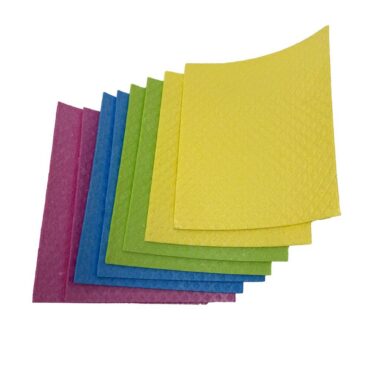
Swedish Dishcloths Reusable Kitchen Cloths (Multiple Colors)
Sale! Price range: $11.99 through $129.99 Select options This product has multiple variants. The options may be chosen on the product page -
Bulk Melamine Eraser Sponges for Extension Handle Kit (Multiple Pack Sizes)
Price range: $12.99 through $249.99 Select options This product has multiple variants. The options may be chosen on the product page -
Microfiber Cleaning Towels – Blue 14″ X 14″ (Multiple Pack Sizes)
Price range: $18.99 through $34.99 Select options This product has multiple variants. The options may be chosen on the product page