Classroom cleaning supplies should make everyday cleanup straightforward while fitting the school’s cleaning procedures. Start with reusable cloths for routine wiping, absorbent tools for ordinary spills and suitable sponges for occasional marks. Confirm the approved supply list before buying cleaners or donating products to a classroom.
Back-to-school shopping is a useful time to restock, but desks, activity tables and shared spaces need attention throughout the year. Teachers, custodial teams and school purchasing staff can use this guide to choose supplies by task and plan replenishment without filling a cupboard with products they cannot use.
Start with the school cleaning plan
Ask which jobs classroom staff handle and which belong to the custodial team. That helps determine whether a classroom needs a small spill kit, a set of cleaning cloths or access to centrally stocked supplies.
Cleaning and disinfecting serve different purposes. Cleaning removes dirt and other material from surfaces. When sanitizing or disinfecting is required, staff must use an appropriate product and procedure; an ordinary sponge and water do not replace that step. The CDC’s guidance for early care and education settings explains these distinctions and the importance of following product directions.
Keep cleaning chemicals secured and follow school policy for staff use, ventilation and protective equipment. Children should not apply disinfectants. Blood, vomit and other body-fluid spills need the school’s designated response procedure rather than an ordinary classroom cleanup cloth.
Microfiber cloths for daily classroom wiping
Reusable microfiber cloths are a practical starting point for routine dusting, wiping and drying on compatible surfaces. Keep clean cloths available so staff can change them as they become soiled instead of carrying the same cloth from one area to another.
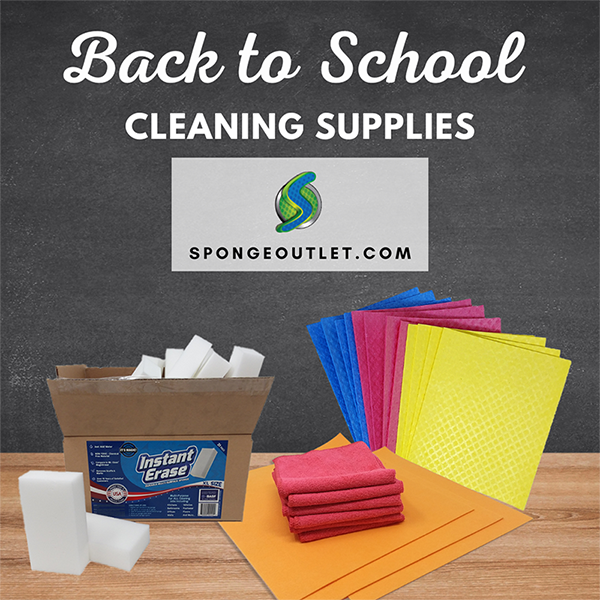
Our blue 14 by 14 inch microfiber cleaning towels come in multiple pack sizes. They can help stock individual classroom kits or provide replacements while used cloths are being laundered.
Separate cloths by task or location. For example, label one set for desks and another for staff-room surfaces. Keep restroom tools with the custodial supplies assigned to that area. Follow the cloth’s care instructions and the school’s laundry procedure before returning used cloths to service.
For computers, tablets and interactive displays, follow the equipment manufacturer’s cleaning instructions. Do not spray liquid directly onto electronics.
Replace Paper Towels in the Classroom with Reusable and Compostable Swedish Dishcloths
Swedish dishcloths for ordinary spills
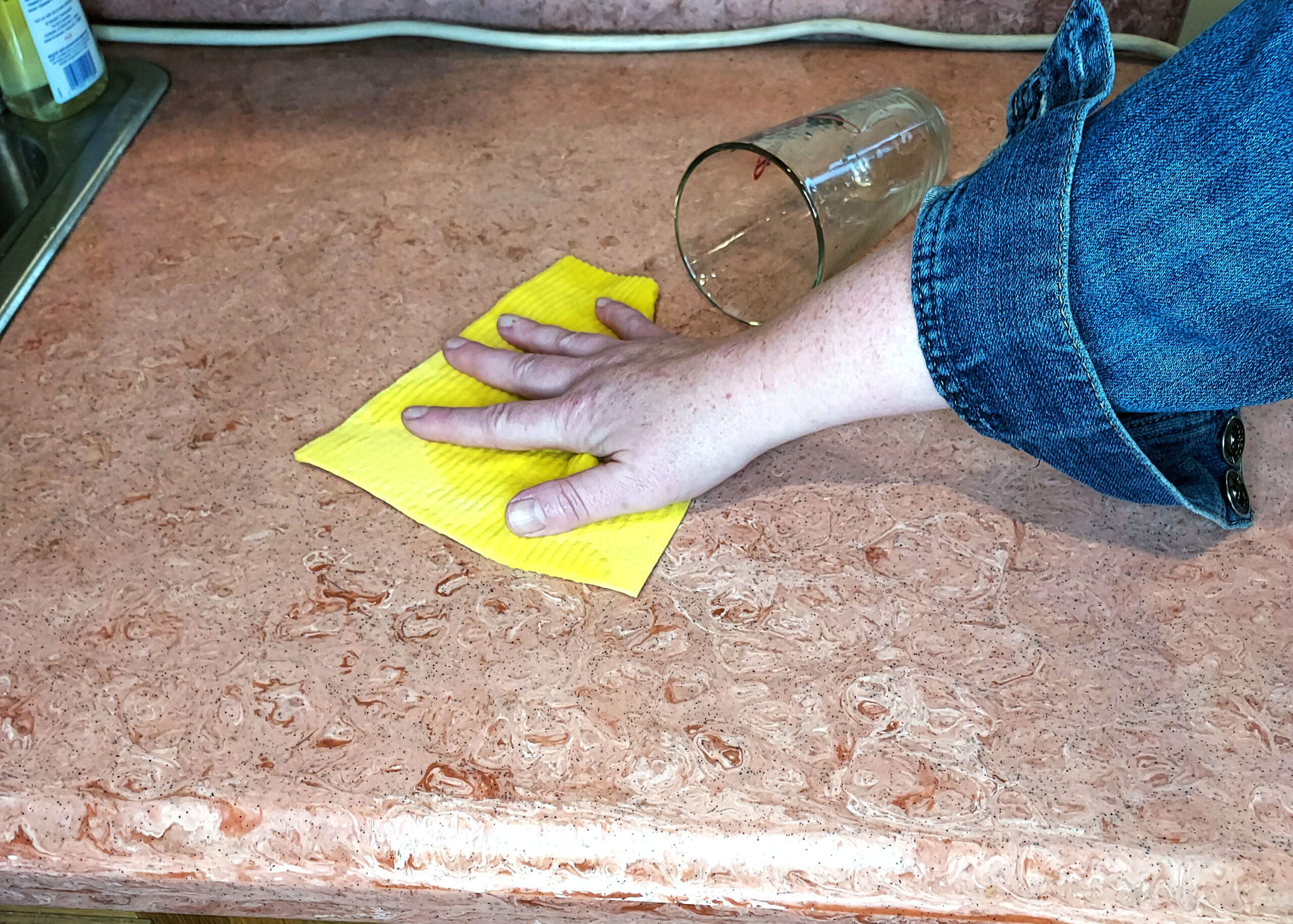
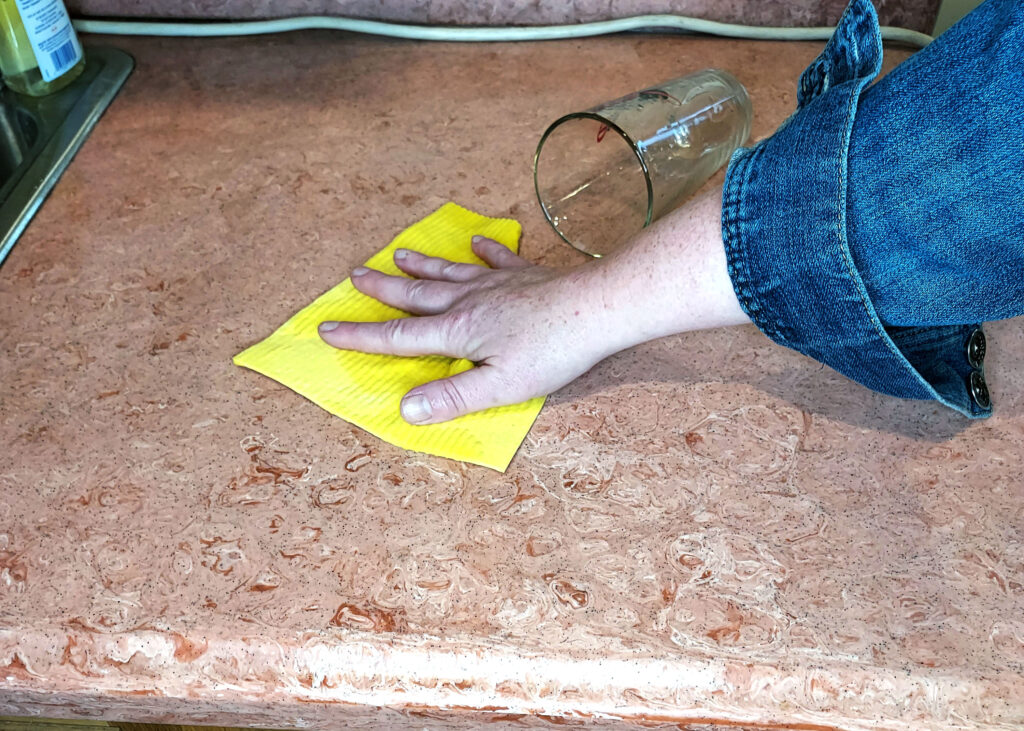
A tipped water cup or wet activity table calls for an absorbent tool. Instant Erase Swedish dishcloths can absorb everyday spills and wipe washable surfaces. Made from cellulose and cotton, they are washable and reusable.
Keep a few in the classroom’s approved cleanup area and provide a separate place for used cloths. Wash them according to the product instructions and school procedure, then let them dry fully before storage. Rinsing a dirty cloth and leaving it to dry is not a substitute for the cleaning process required by the school.
Reusable cloths can reduce reliance on disposable paper towels for suitable tasks. Keep disposable supplies available where the school’s procedures require them. The amount of paper towel use you replace will depend on the classroom’s activities and cleanup routine.
Eraser sponges for selected scuffs and marks
An eraser sponge can help with marks that remain after ordinary wiping, provided the surface tolerates melamine foam. Our Instant Erase XL melamine eraser sponges are available in several pack sizes and clean through fine abrasion when dampened with water.
Use them as a targeted tool for compatible hard surfaces rather than the default choice for every desk, wall or floor. Staff should check the surface manufacturer’s instructions, test a hidden area and use gentle pressure. Stop if the finish dulls, changes color or transfers to the sponge.
Avoid using melamine on glossy finishes, coated screens or delicate painted surfaces unless their care instructions permit it. Do not use eraser sponges on skin, and keep them out of children’s reach. Water-only cleaning does not make a tool suitable for unsupervised student use.
Take special care with classroom whiteboards
Whiteboard surfaces differ, so do not assume every board can tolerate an eraser sponge. Begin with the board maker’s recommended eraser, cloth and cleaner. Quartet’s board maintenance guidance explains how its recommended cleaners differ for whiteboards and glass boards. Check the instructions for the specific board before treating stubborn marker residue.
Absorbent shammy cloths for larger water spills
For staff handling a larger ordinary water spill, large shammy cloths offer another reusable option. These absorbent chamois towels can be washed and reused according to their care instructions.
Keep people away from a wet floor while it is being cleaned and leave the area dry before reopening it. Store floor-cleanup cloths separately from tools used on desks or other classroom surfaces. If the spill involves chemicals or body fluids, contact the designated staff and follow the appropriate procedure.
Build a practical back to school cleaning supply list
Before ordering, check what is already on hand and ask classroom and custodial staff what needs replacing. A starter list can include:
- Clean microfiber cloths for approved everyday wiping tasks.
- Washable, absorbent cloths for ordinary spills.
- Eraser sponges for staff use on confirmed compatible surfaces.
- School-approved cleaners and any required sanitizing or disinfecting products.
- Separate storage for clean supplies and used cloths awaiting laundering.
- The disposable supplies and protective equipment specified by the school.
Families and parent organizations should confirm requested products and quantities before donating. Sending the exact items on the school’s list is more useful than buying a large assortment that staff may not be authorized to use.
Plan bulk orders around actual classroom use
Schools buying for several rooms can organize an order around the number of cleaning stations, how quickly supplies are used and how often reusable cloths are washed. Include enough clean replacements to keep each location stocked during the laundry cycle.
Start with a small trial if a product is new to the school. Ask staff whether it suits the intended surfaces and cleanup tasks before committing to a larger pack. A lower price per item is only useful when the product gets used and can be stored properly.
Keep a simple inventory showing the product, assigned location and remaining quantity. Choose a reorder point that allows time for purchasing and delivery. Separate classroom needs from cafeteria, restroom and specialist cleaning requirements, which may call for different tools and procedures.
For broader purchasing, explore our commercial janitorial supplies and cleaning product comparison guide. Use them to narrow the options before checking compatibility and pack sizes.
Classroom cleaning supply questions
Can eraser sponges remove crayon or marker from desks?
They may help on compatible surfaces, but desk finishes vary. Check the care instructions and test a hidden spot first. Use the least abrasive effective method and stop if the finish changes.
Are reusable cloths suitable for schools?
They can be useful when the school has a procedure for collecting, laundering, drying and storing them. Keep sufficient clean replacements available and use separate tools for different areas.
Should schools buy classroom cleaning supplies in bulk?
Bulk packs can simplify stocking multiple rooms, but quantities should reflect actual use, storage capacity and laundry turnaround. Test unfamiliar products first and compare pack sizes after confirming that the product is suitable.
Stock your classrooms for the work they do
Choose supplies around the messes staff handle most often, then build a replenishment routine that keeps clean tools available. Shop our microfiber towels, Swedish dishcloths and XL eraser sponges to compare options for your school’s approved supply list.