First impressions matter in the vacation rental business. Guests expect to walk into a space that feels fresh, clean, and ready for their stay. While fresh linens and sparkling bathrooms are essential, small details like scuffed walls, fingerprints on doors, or stained countertops can quickly take away from the overall experience. A consistent cleaning routine and the right supplies can help vacation rental hosts keep their properties looking their best between every booking.
Start with a Room-by-Room Inspection
Before cleaning begins, take a few minutes to walk through the property as if you were a guest arriving for the first time. Look for marks on walls, dusty shelves, smudged windows, and worn areas that may need extra attention. Catching these issues early makes it easier to maintain the property’s appearance and prevent small problems from becoming larger ones.
Tackle Scuffs and Everyday Marks
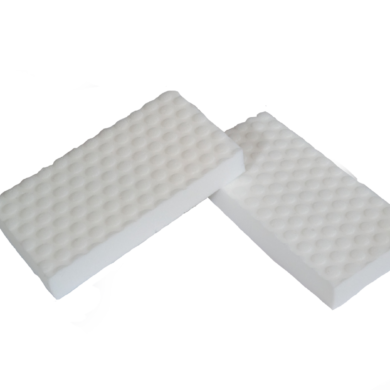
Vacation rentals naturally experience a lot of foot traffic. Luggage, shoes, and everyday use often leave behind scuffs on walls, doors, and baseboards. A quality melamine sponge is an effective way to remove many of these marks from hard surfaces with only water, helping restore a clean appearance without relying on strong cleaning chemicals.
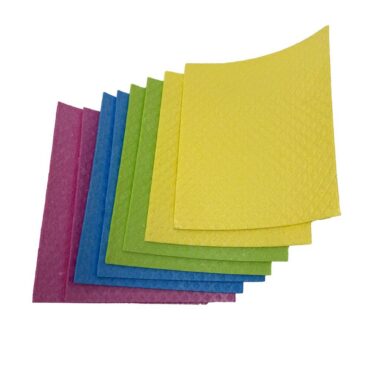
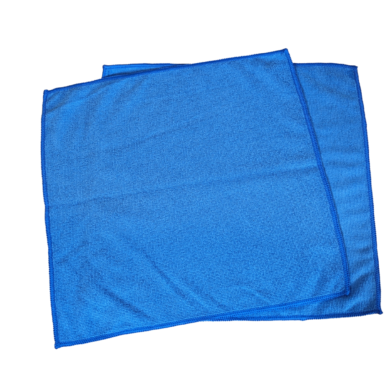
For other surfaces, microfiber cloths are excellent for removing dust, fingerprints, and light dirt while leaving behind a streak-free finish.
Pay Attention to High-Touch Surfaces
Guests interact with many surfaces throughout their stay, including light switches, cabinet handles, appliance doors, faucets, and remote controls. These spots can collect fingerprints, grease, and germs quickly. Cleaning and disinfecting these areas after every checkout helps create a cleaner, more welcoming environment for incoming guests.
Keep Supplies Organized
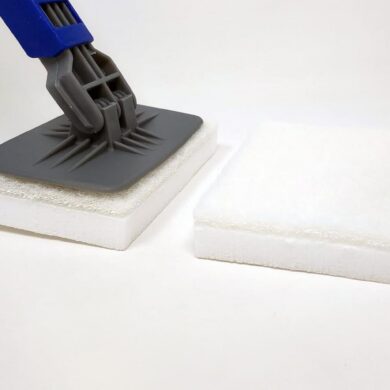
Fast turnovers become much easier when cleaning products are always within reach. Keeping a well-stocked cleaning caddy with melamine sponges, microfiber cloths, non-scratch scrub pads, and other essential supplies allows hosts or cleaning crews to move efficiently from one room to the next. Buying frequently used products in bulk can also help reduce costs while ensuring supplies are always available.
Consistency Makes the Difference
Guests remember properties that feel clean and well maintained. Developing a consistent checklist for every turnover helps ensure nothing gets overlooked, from removing wall marks to polishing mirrors and wiping down furniture.
When vacation rental owners invest time in regular upkeep and use dependable cleaning products, they create a welcoming space that encourages positive reviews, repeat bookings, and recommendations. A little attention to detail after each stay helps protect the property while giving every new guest the great first impression they expect. Contact Sponge Outlet at 877-776-6430 today or visit us online for more information!
Hotel Cleaning Challenges and How to Overcome Them Efficiently
Hotel housekeeping teams balance room readiness, guest requests, and cleaning standards throughout every shift. A late checkout, an unexpected spill, or an understocked cart can disrupt the schedule.
Working efficiently starts with a repeatable process: identify what each room needs, select tools suited to its surfaces, and check the finished work before releasing it to the next guest.
These practical workflows can help housekeeping supervisors organize daily tasks and choose hotel cleaning supplies around their property’s needs.
1. Managing Room Turnovers During Busy Periods
Checkout rooms, occupied-room service, and scheduled deep cleans require different amounts of work. Treating every room as an identical assignment can leave staff rushing through difficult jobs or revisiting missed details.
A practical workflow:
Review room status, guest requests, and priorities with the front desk before assigning work.
Inspect each room on entry and report damage, maintenance needs, or unusual cleaning conditions.
Remove waste and used linens according to the property’s procedures.
Follow a consistent cleaning route, working from higher surfaces downward and cleaner areas toward dirtier ones.
Complete floors after tasks that could deposit dust or debris.
Inspect the room and update its status before it is released.
Build required product contact times into the workflow. Where disinfection is necessary, follow the product label’s directions for precleaning, keeping surfaces wet, and any required rinsing. A tight turnaround should not shorten those steps.
2. Keeping Housekeeping Carts Ready
Missing cloths or replacement pads can turn a routine room clean into repeated trips to the supply closet. Overfilled carts create a different problem: staff cannot quickly find what they need.
Set a standard cart inventory based on the assigned workload. Include enough clean cloths and replacement tools for the shift, with an appropriate reserve.
Scrubbing where the surface and product instructions allow
Assign tools to specific areas
Approved cleaning products
Property-specific cleaning and disinfection tasks
Keep labels readable and follow storage instructions
Separate containers or bags
Handling used cloths and other soiled items
Keep used materials apart from clean supplies
Replenish carts at the end of the shift so the next team starts with a predictable setup.
3. Removing Scuffs Without Damaging Finishes
Suitcases, luggage carts, and everyday use can leave marks on doors, baseboards, and other room surfaces. The challenge is removing those marks without creating a dull patch or damaging the finish.
Melamine foam cleans through fine abrasion. It may be useful for targeted spot cleaning, but it should not be treated as suitable for every painted, polished, or coated surface.
Before adding a surface to the housekeeping team’s approved-use list:
Check the surface manufacturer’s care instructions.
Review the sponge’s directions and restrictions.
Test an inconspicuous area with light pressure.
Let the area dry and inspect for color transfer, dulling, or scratches.
If a mark remains, report it for review instead of applying progressively heavier pressure. Some apparent stains are damaged finishes that cleaning cannot correct.
Bathroom buildup is not all the same. Soap residue, mineral deposits, and damaged sealant can require different responses.
Start by identifying the surface and the likely cause. Select a compatible cleaning product and tool, then follow the recommended application and dwell time. Avoid compensating for the wrong method with more aggressive scrubbing.
A consistent bathroom sequence can include:
Remove loose debris and inspect fixtures, grout, and sealant.
Apply the appropriate products according to their directions.
Clean using tools approved for each surface.
Complete any required rinsing and drying.
Check for remaining residue, leaks, or maintenance problems.
Use dedicated toilet-cleaning tools and keep them separate from tools used on sinks, counters, and guest-room surfaces. Report recurring moisture or suspected mold through the property’s maintenance procedures.
5. Preventing Streaks on Mirrors and Glass
A mirror may look clean from one angle but show streaks under the bathroom lighting. Dirty cloths, excess product, and missed edges can all lead to repeat work.
Use a clean cloth and a cleaner approved for the glass or coating. Follow the product directions, change cloths when they become soiled, and inspect the surface from more than one angle.
Make mirrors, glass edges, and faucet areas part of the final room check. Do not assume an abrasive eraser is appropriate for coated glass, decorative mirrors, or polished fixtures.
6. Responding to Carpet and Upholstery Spills
Soft furnishings need a different process from hard surfaces. Fabric construction, dyes, backing, and cleaning codes determine which methods are appropriate.
Remove loose material and blot liquid spills with a clean, absorbent cloth. Avoid rubbing the spill across a larger area. Check the manufacturer’s cleaning instructions before applying water or a spot treatment.
If the stain requires specialist treatment, flag it promptly so the room can be scheduled appropriately. Do not use melamine erasers as a general-purpose treatment for upholstered headboards, chairs, or sofas.
Keep a simple record of recurring stains and previous treatments to help staff avoid repeating unsuccessful methods.
7. Resolving Odors at Their Source
Fragrance can temporarily cover an odor without addressing the cause. Housekeeping teams should report persistent smells and help identify whether they originate from waste, spills, textiles, drains, or moisture.
Remove the source where it falls within routine cleaning responsibilities. Refer plumbing, ventilation, leaks, and persistent smoke or moisture problems to the appropriate team.
Use only treatments approved for the affected material. Melamine sponges are cleaning tools, not odor absorbers, and should not be presented as a solution for embedded odors.
8. Maintaining Lobbies, Elevators, and Hallways
Public areas need attention throughout the day, especially during arrivals, departures, and wet weather.
Create inspection rounds around the property’s traffic patterns. Check entrance mats, visible debris, spills, touchpoints, and marks on approved surfaces. Record issues that need maintenance or additional cleaning.
For wet floor work, follow the property’s access-control and warning-sign procedures. Select floor tools according to the flooring, finish, and equipment instructions.
Keep public-area supplies available separately so routine lobby work does not leave guest-room carts understocked.
9. Making Final Inspections Consistent
A room can have clean floors and fresh linens while still containing a missed hair, a marked door, or an empty dispenser.
Use a short inspection checklist that follows the same route each time. Include:
Bathroom fixtures, mirrors, and visible residue.
Frequently handled surfaces.
Floors, corners, and accessible edges.
Linens, amenities, and dispensers.
Odors and unresolved maintenance issues.
Overall appearance from the guest’s entry point.
Track repeated misses by task or area. Use those findings to improve instructions, product selection, or scheduling rather than simply adding more items to an already lengthy checklist.
10. Planning Bulk Orders Around Occupancy
Supply needs change with occupancy, departures, deep-cleaning projects, and laundry turnaround. Last month’s order may not fit next month’s workload.
Track consumption over several representative weeks. Separate disposable-product usage from reusable-cloth requirements, and note unusual demand from projects or heavy cleaning.
A practical reorder calculation is:
Reorder point = expected usage during delivery lead time + reserve stock
For example, if a team uses 60 sponges per week, allows two weeks for replenishment, and keeps a 40-sponge reserve, its reorder point would be 160 sponges. These are illustrative figures; use your property’s actual usage and supplier lead times.
Once you understand demand, compare bulk cleaning supplies by pack size, unit cost, storage needs, and suitability for the job.
Equip Your Housekeeping Team for a Consistent Routine
Effective housekeeping depends on clear assignments, compatible products, reliable replenishment, and a final check before the guest arrives.
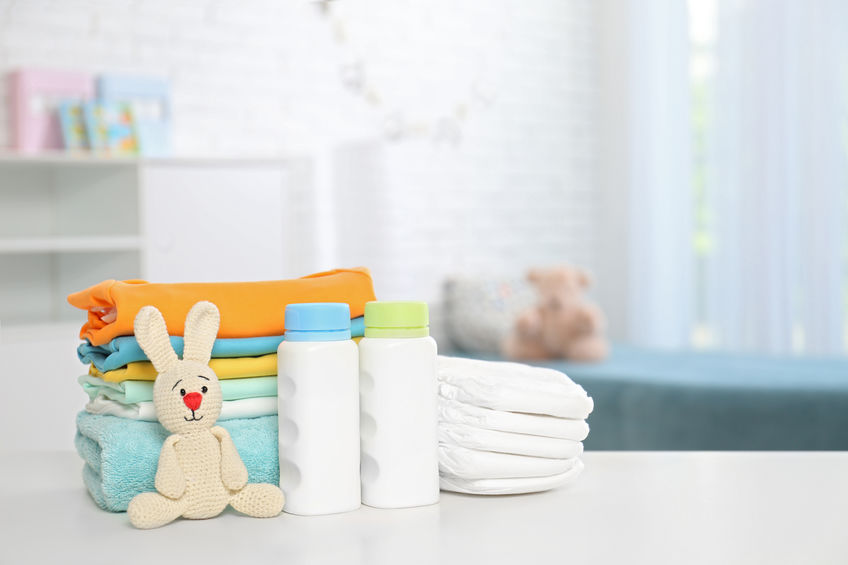
Here’s how to make sure your home and new room is ready for baby
Clean Hand-Me-Down Furniture
Since babies grow so fast, using used or donated furniture is a great way to save money. You may also have pieces from previous children which you can reuse. Prepare any cribs, changing tables, or rockers by giving them a thorough cleaning. Be careful using cleaners with heavy scents as these can irritate the eyes, skin, nose and throat of a young infant. Use a gentle soap and hot water to disinfect any surfaces.
When it comes to cleaning furniture or walls, an eraser sponge from SpongeOutlet.com contains no harsh chemicals and only uses water and the power of gentle scrubbing to remove dirt and grime. Eraser sponges can also remove adhesive from stickers and marks from crayons from walls and furniture.
Give the Room a Through Dusting – Including the Vents
Keep allergens low and away from your new baby by giving the room and contents a thorough dusting. A damp microfiber cloth or dusting wand will help remove dust. Don’t forget to also dust any vents. Dirty vents can distribute dust and allergens from other areas inside the home. Make sure they are clean and clean any in-room vents as well.
Keep a Cleaning Routine & Cleaning Tools on Hand
After baby comes home, it is important to keep cleaning every day. Keep eraser sponges around to safely clean up any dirt of marks on the crib or changing table. An eraser sponge with soap also has the added advantage of providing gentle disinfecting when used with hot water.
Babies are known for their ability to make a mess out of nothing, so it is important to make those messes easy to clean up. Using disinfecting wipes often combined with frequent use of eraser sponges can keep your baby’s room shining and clean, until they become a toddler. Then, you will need a larger box of sponge erasers for all the artwork they leave you!
Whatever cleaning tools or detergents you decide to use, be sure to keep them out of the reach of tiny hands. Lock them securely inside a cabinet with a baby proof lock, or store them high up in a cupboard and out of the reach of children.
As always, if you’re not entirely sure of using an eraser sponge on any surface, test a non-conspicuous area first. If you still have questions or concerns, feel free to contact us at customerservice@spongeoutlet.com.
Decluttering and getting rid of material items that can be accumulated without recognition is a good thing for your home and your mental health. It has the ability to keep your home clean because you have more space available to recognize what needs to be cleaned on the regular. With items you don’t need sitting around your house, dust can gather in those spots from the items sitting around.
At Sponge Outlet, we recommend decluttering during your spring-cleaning chores this spring season. We can provide you with some of our cleaning supplies to help make the process more efficient and less stressful.
The Benefits of Decluttering Your Home
When it comes to decluttering your home, it can be very stressful, but you’ll be thankful down the road for doing so because it makes cleaning your home much easier. You have more room to clean, and you can spot the dirty spots around your home.
Relieve Stress & Anxiety – Decluttering your home can improve your mental health. When you start staring at the amount of material items lying around your home that you don’t use, it can cause stress and anxiety because you know that it’s time for them to go, but it can be difficult to get started.
Boost Your Productivity – Having a cluttered home or workspace can hinder your productivity if you work from home or spend most of the day in the house. Decluttering allows you to rid the stress of the material items and focus on creativity and your productivity.
Keeps Your Home Cleaner – Decluttering allows you to keep your home as clean as possible. The dust, dirt, and other grime that can accumulate or get dragged into your home is more noticeable at this point. You’ll be able to keep things organized and make sure your home is spotless.
What Helps to Declutter and Clean Easier?
Organize your things better with simple decluttering. Go through all of your things that you don’t use and determine what you’d like to keep based on if you use those items anymore. Don’t be afraid to let go of certain items that aren’t necessary.
When you’re decluttering, you’ll notice you can clean much easier. For spring cleaning, Sponge Outlet can provide you with non-toxic cleaning products that will last longer and clean your home better. We carry melamine eraser sponges, monster scrubbies, dust wands, microfiber towels, and much more! Our products are durable and safe to use around your home. You’ll be able to clean every inch of your home with our products.
Cleaning your bedroom can be a difficult task to keep up with. Whether you live in a home or an apartment, your bedroom is a place that requires regular cleaning. Your bedroom is where you sleep and come to relax. If you live with other people, you’ll most likely spend more time in your room. Cleaning your bedroom can only benefit your life and your health.
The Health Benefits of Cleaning Your Bedroom
Dust can gather on many surfaces in your bedroom such as dressers, the floor, closets, nightstand, and much more. Dusting is an important cleaning task that needs to be done regularly. When you clean the dust in your room that has gathered, you’re benefitting your health. Dust can cause breathing problems and bad indoor air quality. Dust mites can also make their way into your home if you don’t dust.
Your mental health can also benefit from regular cleaning. When you are able to keep your bedroom organized, tidy, and clean, your brain can function properly. Cleaning can reduce stress and anxiety. Many young professionals are working remotely in their homes or apartments due to the change of workspace caused by the COVID-19 Pandemic. If your bedroom is your workspace, keeping it tidy will allow you to be more productive with work.
How Should I Clean My Room?
First, it’s very important to keep your room neat and tidy. This means, doing laundry and putting it away immediately is crucial. Keep your surfaces free of dust and garbage. Organize your belongings, and make sure your workspace is clear of any material distractions.
By using our microfiber towels, you’ll be able to eliminate the dust, scuff marks, dirt, and other debris that has gathered on surfaces in your bedroom.
Now, you may be wondering what cleaning products are the easiest to use when you’re cleaning regularly. At Sponge Outlet, our non-toxic cleaning products such as the monster scrubby, melamine eraser sponges, and dust wands will help to clean regularly and thoroughly.
If you’re having trouble finding the right cleaning products, contact Sponge Outlet at 877-776-6430 today or visit us online for more information!