Saving time cleaning does not always mean cutting corners, sometimes it means cleaning wisely, or prepping the area before you clean to save time later. Here’s how to clean a kitchen oven quickly.
Save Time Oven Cleaning Tip: First, Check What the Oven Manufacturer Recommends
Most major appliance manufacturers have websites that include the care and cleaning of their appliances. Find out your client’s appliance brand ahead of time and check the website for the best way to clean their oven. You can even ask for a model or serial number located on the appliance and enter this information into the website to pull up a PDF copy of the oven’s owner’s manual.
Save Time Oven Cleaning Tip: Cover the Floor Around the Oven and Oven Door
All that greasy grime from inside the oven can spill over the door and drip in-between cracks, leaving a messy floor that you now need to clean. Avoid this by placing either a plastic garbage bags or an old towel to protect the floor.
Save Time Oven Cleaning Tip: Remove the Warming Drawer
Get your home prepared for the upcoming holiday season and beyond with this helpful Fall Cleaning Checklist for inside and outside the house. This list may seem overwhelming, so complete similar tasks together, or go room-by-room.
For the sake of simplicity, this list will assume that daily cleaning tasks like mopping or vacuuming floors, wiping counters and washing dishes gets done daily, so those items will not be included. Instead, we are including items that are not cleaned so frequently and that you may be overlooking.
If you plan on hiring a professional to deep clean your home, or clean your carpets, make sure you schedule them as early as possible. Cleaners cannot always fit you into their schedule on a last minute basis and are very in-demand leading up to the holiday season.
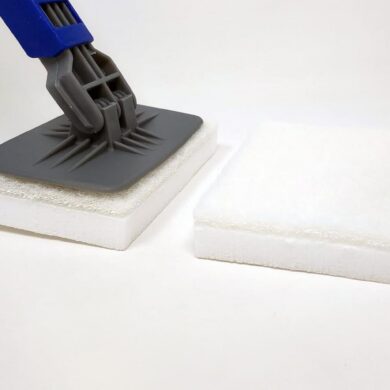
Empty the pantry and dispose or donate any unwanted items. Clean the shelves with a Non-scratch scrub sponge like our non-scratch Monster Scrub Sponge or Non-Scratch Cleaning Pad.
Clean or change-out any over the oven range hood filters. Greasy dirty filters cannot do their job properly and let cooking smells linger in the kitchen and home, so be sure to either clean them or change if your filter is disposable.
Clean out the refrigerator and freezer disposing of any expired foods. Remove and wash shelving. If your kitchen sink is not large enough, fill a bathtub with warm water and add a few drops of dish soap. Use a non-scratch scrub sponge to clean all shelving. Dry with a microfiber cloth and return shelving and food to the fridge.
Vacuum refrigerator’s condenser coils. Doing this will help allow your refrigerator to work efficiently and could extend the life of your appliance.
Clean garbage cans using an outside hose and scrub sponge.
Degrease and clean cabinet doors and backsplashes. Use a flexible microfiber dusting wand to dust the top of cabinets and walls.
Use an eraser sponge to remove any dark scuff marks, dirt and grime from walls, doors or baseboards. Save your back and use our Eraser Sponge and Extension Handle Kit.
Make sure you’re stocked up with extra cleaning supplies for cleaning up from any holiday gatherings and meals.
Cleaning business owners no longer have to go it alone. Thanks to social media, you can get help and advice running a cleaning business from other owners who have been there and done that.
Instagram accounts like LetsTalkDirt_y, an account run by Jean-Marie Pfeifer, owner of Shore to Shore Cleaning, offer help and guidance to other cleaning businesses out there. Pfeifer started Let’s Talk as a way to mentor and bring together others in the cleaning industry around Long Island, New York.
In a video she shared on her channel, Pfeifer talked about trying out new services to help her business and to lessen her work load, especially when it comes to cleaning towels and mop heads for her business.
Classroom cleaning supplies should make everyday cleanup straightforward while fitting the school’s cleaning procedures. Start with reusable cloths for routine wiping, absorbent tools for ordinary spills and suitable sponges for occasional marks. Confirm the approved supply list before buying cleaners or donating products to a classroom.
Back-to-school shopping is a useful time to restock, but desks, activity tables and shared spaces need attention throughout the year. Teachers, custodial teams and school purchasing staff can use this guide to choose supplies by task and plan replenishment without filling a cupboard with products they cannot use.
Start with the school cleaning plan
Ask which jobs classroom staff handle and which belong to the custodial team. That helps determine whether a classroom needs a small spill kit, a set of cleaning cloths or access to centrally stocked supplies.
Cleaning and disinfecting serve different purposes. Cleaning removes dirt and other material from surfaces. When sanitizing or disinfecting is required, staff must use an appropriate product and procedure; an ordinary sponge and water do not replace that step. The CDC’s guidance for early care and education settings explains these distinctions and the importance of following product directions.
Keep cleaning chemicals secured and follow school policy for staff use, ventilation and protective equipment. Children should not apply disinfectants. Blood, vomit and other body-fluid spills need the school’s designated response procedure rather than an ordinary classroom cleanup cloth.
Microfiber cloths for daily classroom wiping
Reusable microfiber cloths are a practical starting point for routine dusting, wiping and drying on compatible surfaces. Keep clean cloths available so staff can change them as they become soiled instead of carrying the same cloth from one area to another.
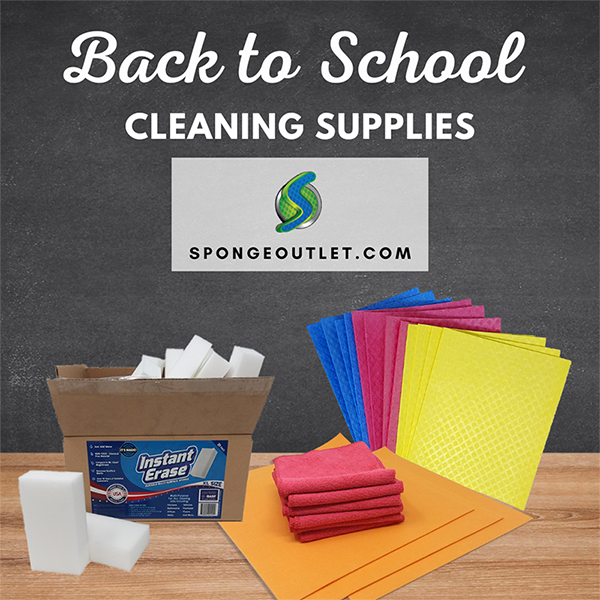
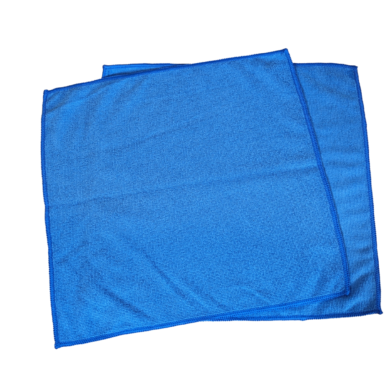
Our blue 14 by 14 inch microfiber cleaning towels come in multiple pack sizes. They can help stock individual classroom kits or provide replacements while used cloths are being laundered.
Separate cloths by task or location. For example, label one set for desks and another for staff-room surfaces. Keep restroom tools with the custodial supplies assigned to that area. Follow the cloth’s care instructions and the school’s laundry procedure before returning used cloths to service.
For computers, tablets and interactive displays, follow the equipment manufacturer’s cleaning instructions. Do not spray liquid directly onto electronics.
Replace Paper Towels in the Classroom with Reusable and Compostable Swedish Dishcloths
Swedish dishcloths for ordinary spills
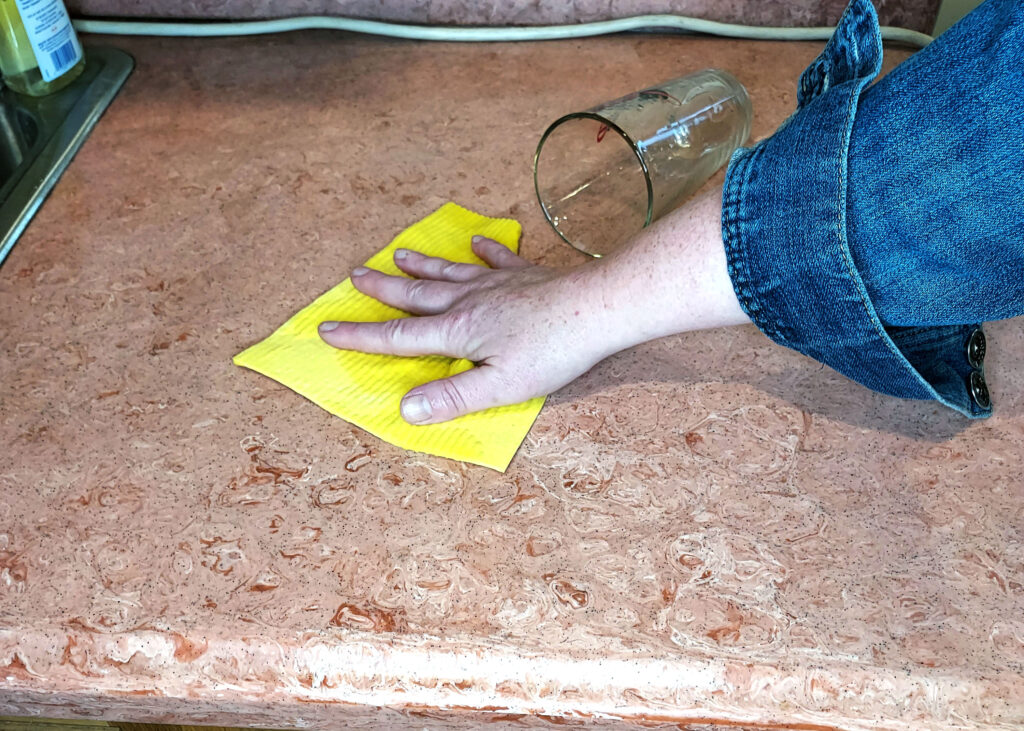
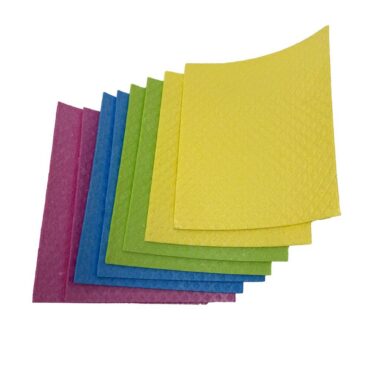
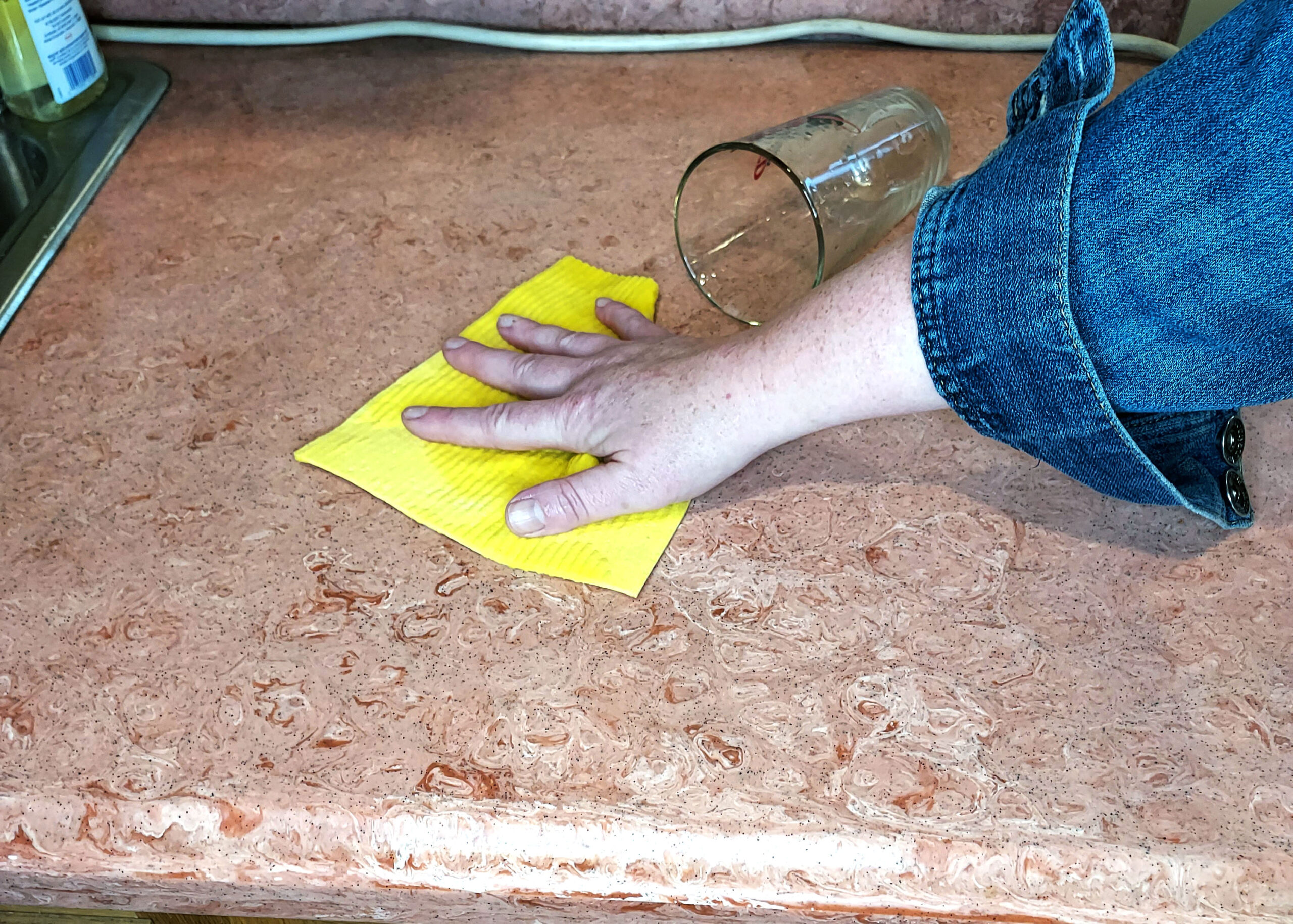
A tipped water cup or wet activity table calls for an absorbent tool. Instant Erase Swedish dishcloths can absorb everyday spills and wipe washable surfaces. Made from cellulose and cotton, they are washable and reusable.
Keep a few in the classroom’s approved cleanup area and provide a separate place for used cloths. Wash them according to the product instructions and school procedure, then let them dry fully before storage. Rinsing a dirty cloth and leaving it to dry is not a substitute for the cleaning process required by the school.
Reusable cloths can reduce reliance on disposable paper towels for suitable tasks. Keep disposable supplies available where the school’s procedures require them. The amount of paper towel use you replace will depend on the classroom’s activities and cleanup routine.
Eraser sponges for selected scuffs and marks
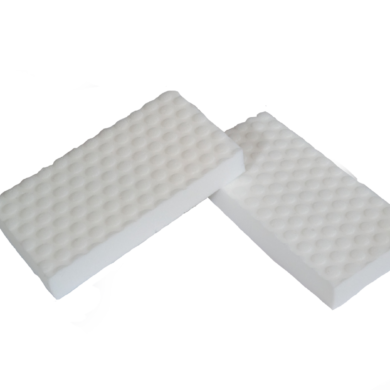
An eraser sponge can help with marks that remain after ordinary wiping, provided the surface tolerates melamine foam. Our Instant Erase XL melamine eraser sponges are available in several pack sizes and clean through fine abrasion when dampened with water.
Use them as a targeted tool for compatible hard surfaces rather than the default choice for every desk, wall or floor. Staff should check the surface manufacturer’s instructions, test a hidden area and use gentle pressure. Stop if the finish dulls, changes color or transfers to the sponge.
Avoid using melamine on glossy finishes, coated screens or delicate painted surfaces unless their care instructions permit it. Do not use eraser sponges on skin, and keep them out of children’s reach. Water-only cleaning does not make a tool suitable for unsupervised student use.
Take special care with classroom whiteboards
Whiteboard surfaces differ, so do not assume every board can tolerate an eraser sponge. Begin with the board maker’s recommended eraser, cloth and cleaner. Quartet’s board maintenance guidance explains how its recommended cleaners differ for whiteboards and glass boards. Check the instructions for the specific board before treating stubborn marker residue.
Absorbent shammy cloths for larger water spills
For staff handling a larger ordinary water spill, large shammy cloths offer another reusable option. These absorbent chamois towels can be washed and reused according to their care instructions.
Keep people away from a wet floor while it is being cleaned and leave the area dry before reopening it. Store floor-cleanup cloths separately from tools used on desks or other classroom surfaces. If the spill involves chemicals or body fluids, contact the designated staff and follow the appropriate procedure.
Build a practical back to school cleaning supply list
Before ordering, check what is already on hand and ask classroom and custodial staff what needs replacing. A starter list can include:
Clean microfiber cloths for approved everyday wiping tasks.
Washable, absorbent cloths for ordinary spills.
Eraser sponges for staff use on confirmed compatible surfaces.
School-approved cleaners and any required sanitizing or disinfecting products.
Separate storage for clean supplies and used cloths awaiting laundering.
The disposable supplies and protective equipment specified by the school.
Families and parent organizations should confirm requested products and quantities before donating. Sending the exact items on the school’s list is more useful than buying a large assortment that staff may not be authorized to use.
Plan bulk orders around actual classroom use
Schools buying for several rooms can organize an order around the number of cleaning stations, how quickly supplies are used and how often reusable cloths are washed. Include enough clean replacements to keep each location stocked during the laundry cycle.
Start with a small trial if a product is new to the school. Ask staff whether it suits the intended surfaces and cleanup tasks before committing to a larger pack. A lower price per item is only useful when the product gets used and can be stored properly.
Keep a simple inventory showing the product, assigned location and remaining quantity. Choose a reorder point that allows time for purchasing and delivery. Separate classroom needs from cafeteria, restroom and specialist cleaning requirements, which may call for different tools and procedures.
Can eraser sponges remove crayon or marker from desks?
They may help on compatible surfaces, but desk finishes vary. Check the care instructions and test a hidden spot first. Use the least abrasive effective method and stop if the finish changes.
Are reusable cloths suitable for schools?
They can be useful when the school has a procedure for collecting, laundering, drying and storing them. Keep sufficient clean replacements available and use separate tools for different areas.
Should schools buy classroom cleaning supplies in bulk?
Bulk packs can simplify stocking multiple rooms, but quantities should reflect actual use, storage capacity and laundry turnaround. Test unfamiliar products first and compare pack sizes after confirming that the product is suitable.
Choose supplies around the messes staff handle most often, then build a replenishment routine that keeps clean tools available. Shop our microfiber towels, Swedish dishcloths and XL eraser sponges to compare options for your school’s approved supply list.
Behind the toilet, under appliances, and high-traffic areas by doors and entrances – all these floor areas can prove tough to clean because they are difficult to access or get very dirty due to their location. Here are the cleaning tools we recommend to do the job.
Caution: Before using an eraser sponge to clean your floor, test it on an inconspicuous area to see if it damages or alters the finish. Make sure the area is completely dry before deciding to apply it to the entire floor area. Eraser sponges are not recommended for the following floor types: natural stone, painted surfaces, or finished wood surfaces.
How to Clean Floors in Tough Areas- the Bathroom
Cleaning behind or around a toilet can be tough without contorting yourself. The Eraser Sponge Extension Handle Kit can help you reach behind and around bathroom toilets in order to clean the ceramic or vinyl floor. The extendable handle allows you to reach up high or down low without needing a step stool or resorting to stooping or bending. Use it to Continue reading Cleaning Floors in Tough Areas
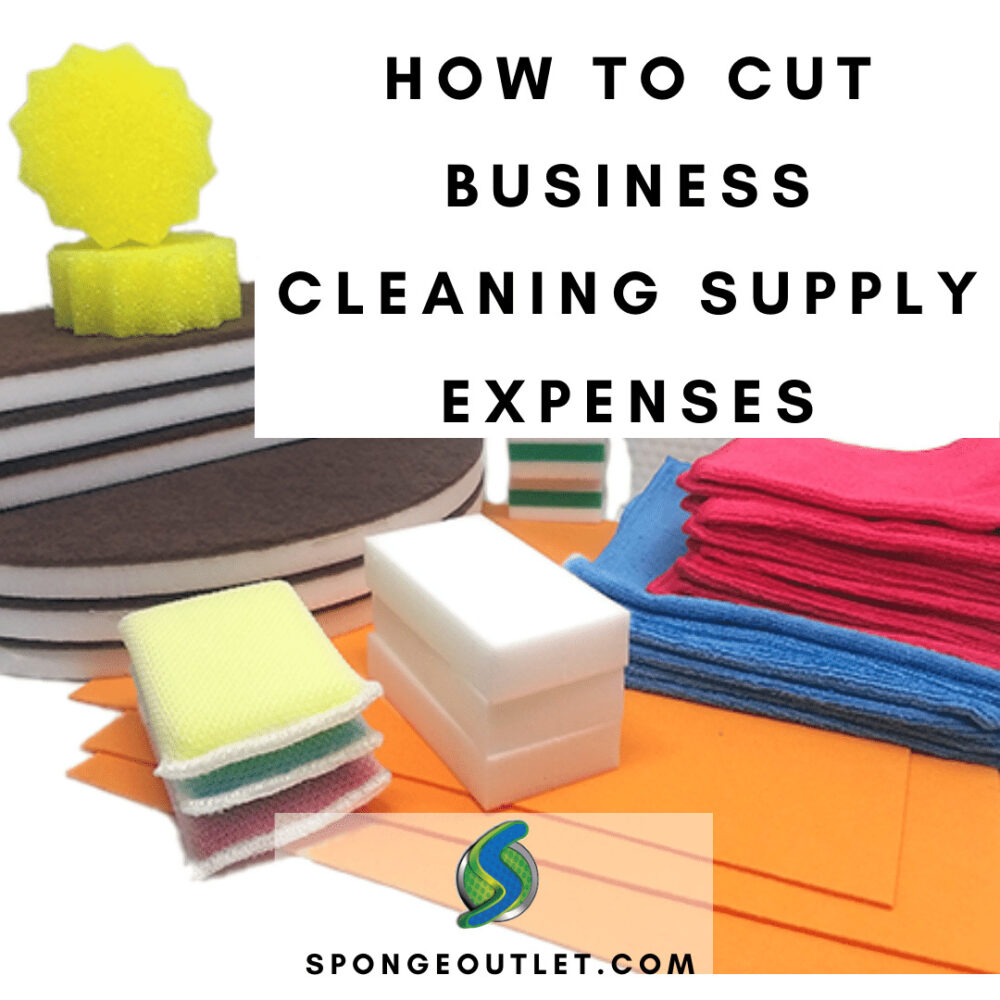
With the cost of everything rising it’s important to find ways to save money within your business. Whether you are a manager at a hotel, resort, facility party equipment rental business or own a commercial or residential cleaning company, here are some ways to save on your cleaning supplies.
Shop Around for Bulk Cleaning Supplies
See if other suppliers can sell it to you for less. Make sure you are still getting the same quality of product when comparing pricing and products. Some suppliers (like us!) will supply you with free samples before you buy, so you can check out the quality.
One dishcloth can replace 15 rolls of disposable paper towels during its lifetime. Made from 70% cellulose wood pulp and 30% cotton, our Swedish Dishcloths are super absorbent and can be used in place of paper towels to wipe up spills around the house. After absorbing the Continue reading Save on Paper Towels by Using Swedish Dishcloths
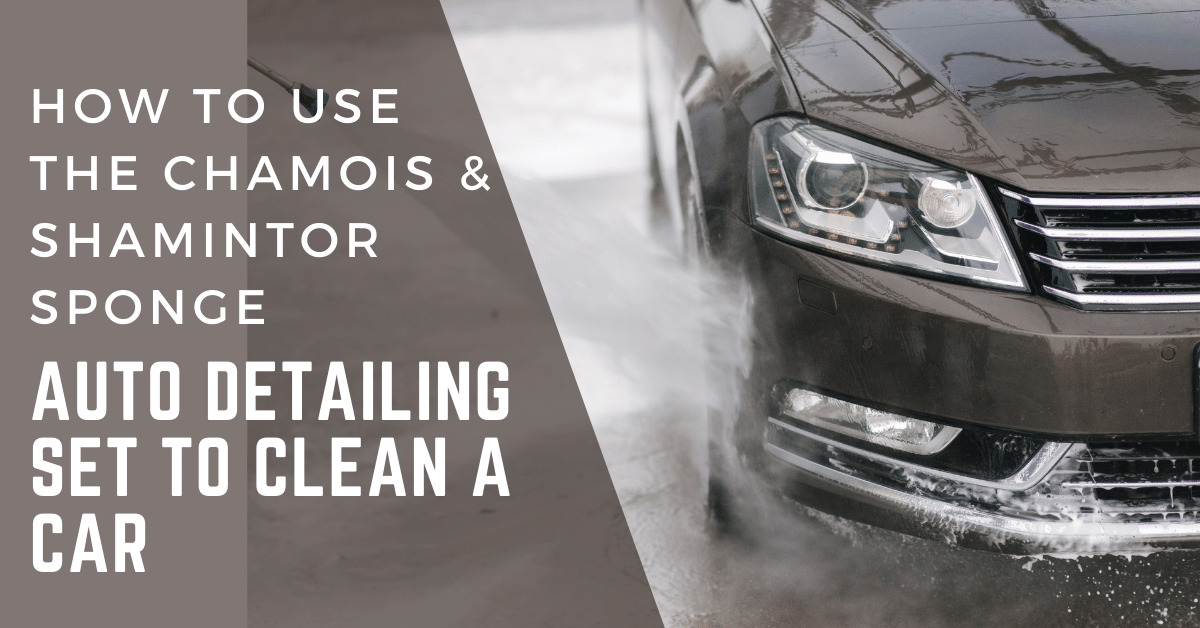
Using this set can save you money on auto detailing supplies because the supplies in this kit are reusable, washable and replace other one-time-use cleaning supplies. Read on to see how to use.
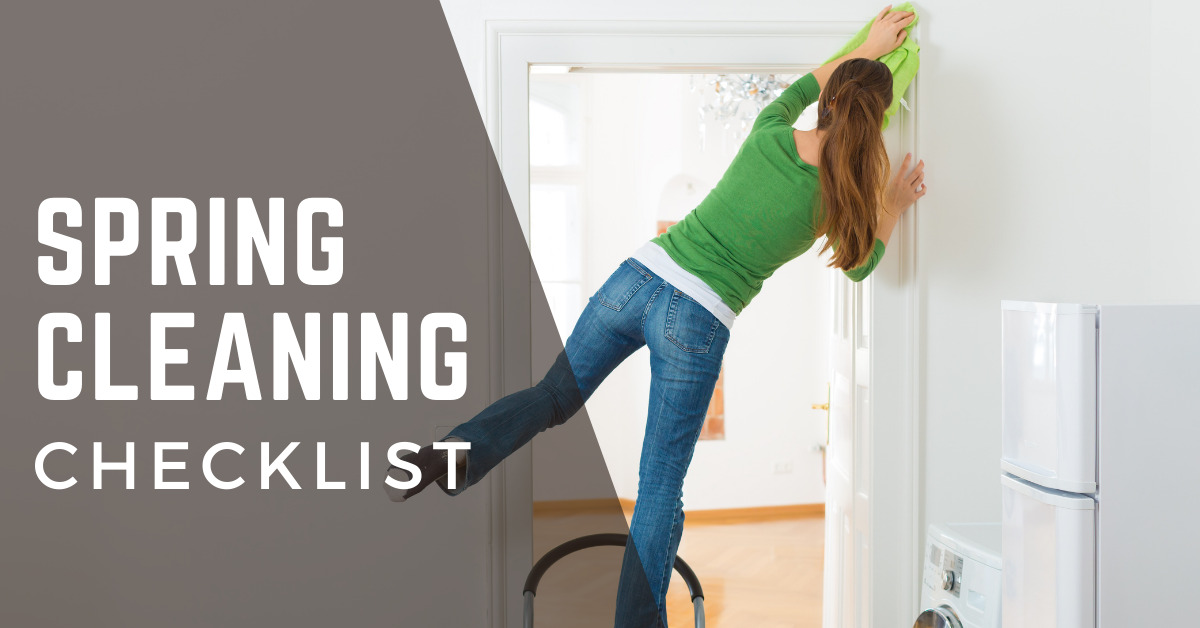
Not sure where to start with your spring cleaning? Here’s a handy checklist along with some helpful cleaning tips
Before You Start:
Gather all your cleaning supplies together. Here’s a suggested cleaning supply list.
Remember to clean top to bottom and left to right in order to maximize your cleaning efforts and to keep from cleaning the same area twice.
Wear gloves to protect your hands.
Put on some music to make cleaning more enjoyable.
Around the House- Spring Cleaning Checklist
Ceiling Fans: Use a microfiber duster to remove any dust that accumulates on the blades.
Shelves: Remove items from shelves and book cases to give shelves a good dusting and polish with a microfiber cloth. Polish the glass on any framed photos.
Blinds: Dust blinds dry first in order to remove dust using a microfiber duster. Be sure to turn blinds in one direction to get as much of the surface area as possible. If dirt still persists after your initial dusting, and if the blinds are plastic, you may need to take the blinds down and soak them in a bathtub to remove dirt and grime. Allow them to air dry outside before re-hanging.
Windows: After a long winter, your home’s windows will need a good cleaning. Window cleaner and a sponge should do the trick. Melamine eraser sheets which are thin and flexible will help you get into tight corners to really get them clean. Don’t forget to wash both the interior and exterior of the window.
Walls: Spot clean your walls using a damp eraser sponge.
Carpets & Area Rugs: shampoo carpets and area rugs. For spot cleaning, use a carpet-safe cleaning solution, a little water and an eraser sponge.
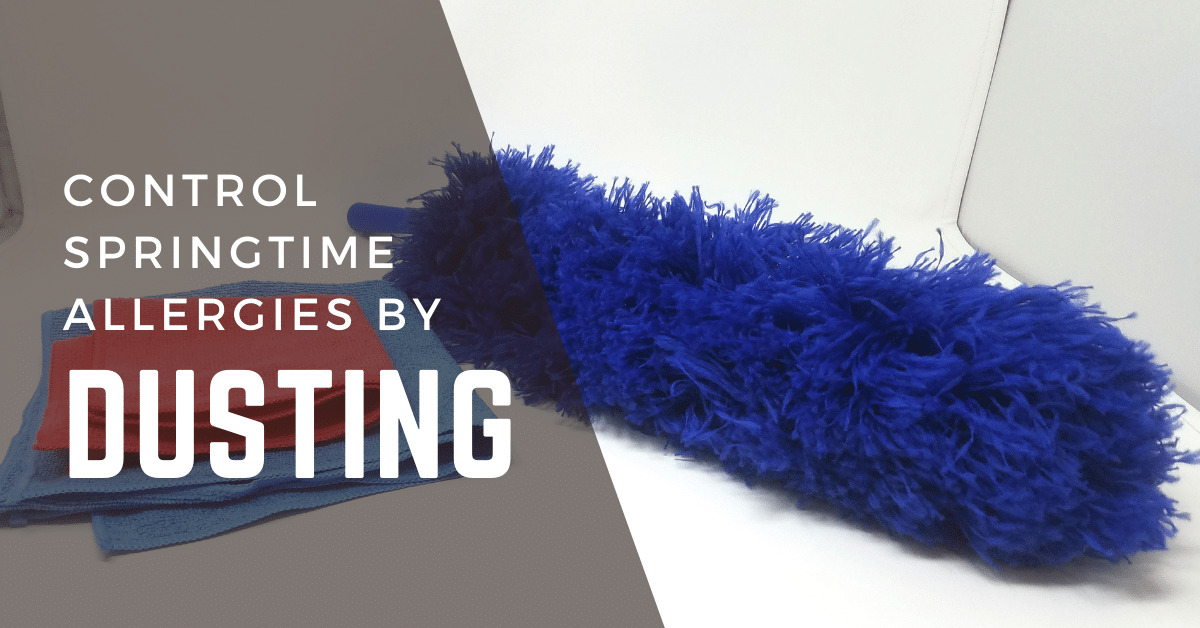
Dusting not only makes your home look nice, it can remove potential allergens from inside your home that could be making you sick.
Dust to Combat Springtime Allergies
Allergens run wild during the spring and this is due to trees, grasses and weeds releasing tiny grains called “pollen” which wreak havoc on your immune system when inhaled. Pollen can cause sneezing, itchy, watery eyes, runny noses and other symptoms. And pollen is not just outdoors; it can make up part of the dust that collects on your home’s surfaces.
Dust is another allergen and the dust inside your home could be made up of pet hair, dust mites, mold and pollen. Surprisingly, allergies could flare up AFTER dusting, because dust particles get stirred up and moved around during cleaning. To prevent this, wear a mask while dusting and use a tool like Continue reading Control Springtime Allergies By Dusting